What is key art?
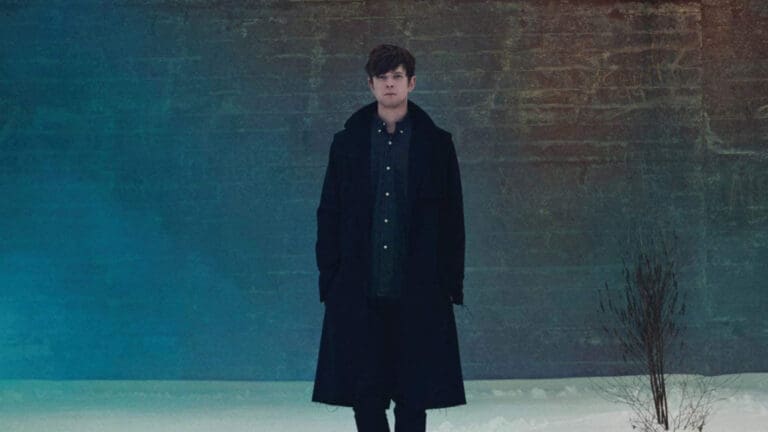
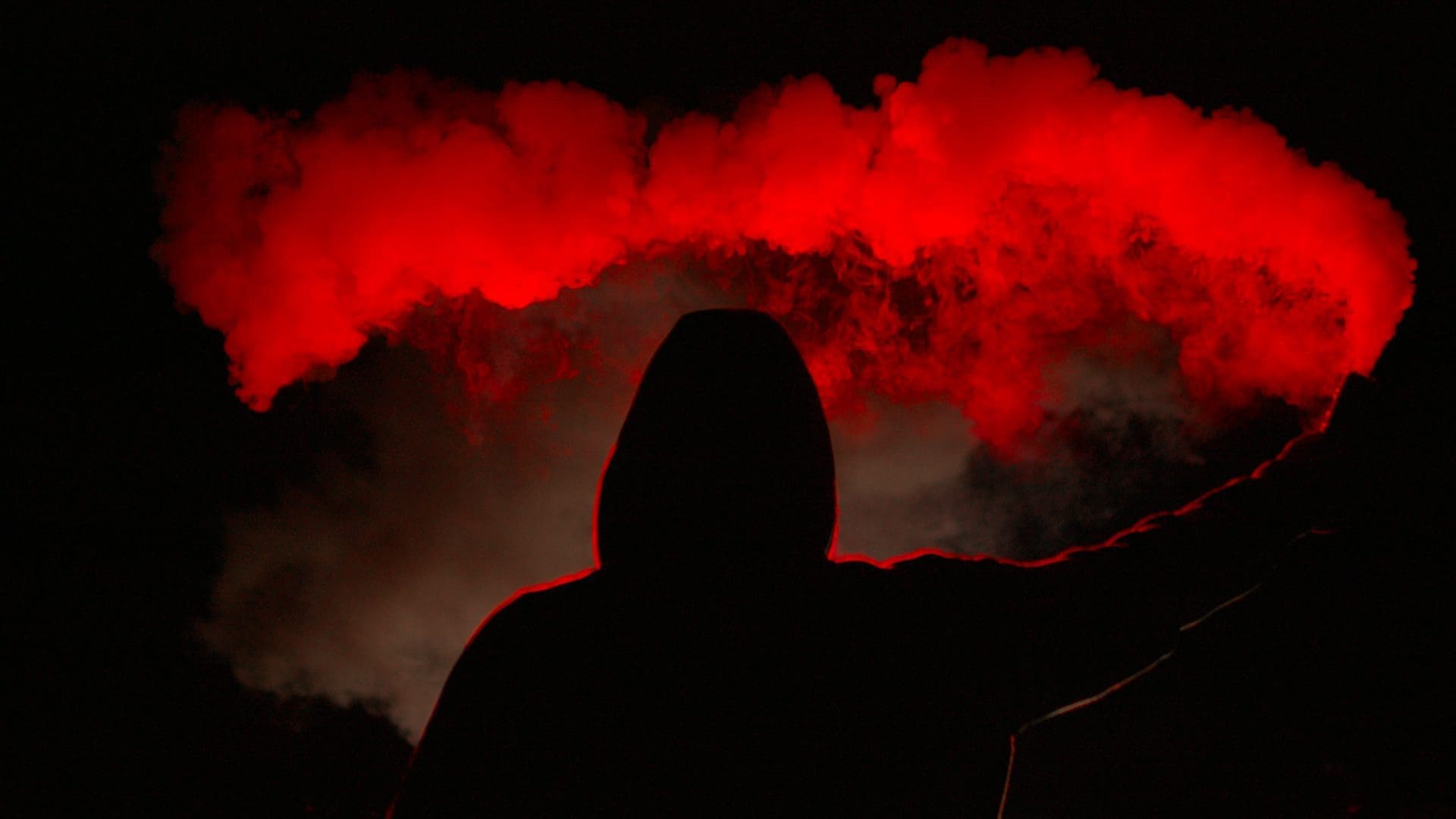
Key art is the hero visual. The poster for a film, the artwork for an album, the one image a streaming service shows you before you press play. It is called key because everything else in the campaign is cut from it: the billboard, the social crop, the thumbnail, the trailer's end card. Get the key art right and the rest of the campaign has a spine. Get it wrong and every piece has to work harder to explain itself.
The term comes from the film business, where a studio's marketing department would commission one painted or photographed image to anchor a release and every market would adapt it. That is still how it works. A fashion house launching a collection, a sports team unveiling a season and a label putting out a record all need the same thing: one frame the whole campaign can agree on, made with enough care that it survives being seen ten thousand times.
Why it matters
Why key art matters
People decide in a second. Key art is the second. On a streaming grid it is competing with two hundred other frames for a thumb; on a subway platform it has the length of a glance. The image has to say what the thing is, what it feels like and why it is worth your time, without a sentence of copy. That is a lot to ask of one picture, which is why the best key art is designed, not just photographed.
It matters inside the building too. Once the key art exists, every other decision on the campaign has a reference. The editor knows the tone of the trailer, the designer knows the type, the social team knows the crop. Teams that skip it spend the rest of the campaign arguing about things the key art would have settled.
In practice
How key art works in practice
- 01
Key art starts long before the camera. The creative director and the client agree what the one idea is, then the shoot is planned around capturing it: the pose, the light, the object, the expression. On set that usually means a dedicated key art setup, separate from the film, shot on a stills camera with retouching in mind. Afterwards the image is built: composited, graded, typeset, and then cut into every shape the campaign needs, from a vertical poster to a 16:9 thumbnail to a square tile with the title cropped out.
- 02
The deliverable is rarely one file. A finished key art package usually includes the master image with its layers intact, a title treatment that works on light and dark backgrounds, a set of crops for every placement and a clean version with no type for partners who need to add their own. The more placements a campaign has, the more the package matters, and the more it pays to have one person own it from the shoot to the final export.
At RIOT
Key art at RIOT
Every film we make leaves the building with its own key art, because a film without a frame to sell it is only half delivered. For our documentaries and launch films we shoot the key art on the same day as the film, with the subject still in character, and we design the title treatment to live on the poster, the thumbnail and the end card alike.
Watch out
What people get wrong about key art
Treating key art as a screengrab. A frame pulled from the film is lit for motion, not for a poster, and it rarely has the space a title needs. The other mistake is designing for one size: key art that only works as a tall poster falls apart as a streaming thumbnail, where the face is the size of a fingernail.
A third mistake is leaving it until the end. Key art commissioned after the shoot wraps has to be assembled from whatever was captured, which is how campaigns end up with a hero image that looks like an afterthought. It is the first thing to plan and one of the last things to finish.