PPC (Pay-Per-Click) Management
PPC (Pay-Per-Click) management involves creating, running, and optimizing paid advertising campaigns on platforms like Google Ads and Bing Ads. It helps to drive traffic to your site.
What is PPC (Pay-Per-Click) Management?
PPC (Pay-Per-Click) Management is the process of planning, executing, and optimizing paid advertising campaigns where advertisers pay each time someone clicks on their ad. These campaigns can run across platforms like Google Ads, Bing, Meta, LinkedIn, and more—driving traffic, leads, or sales based on strategic targeting and bidding.
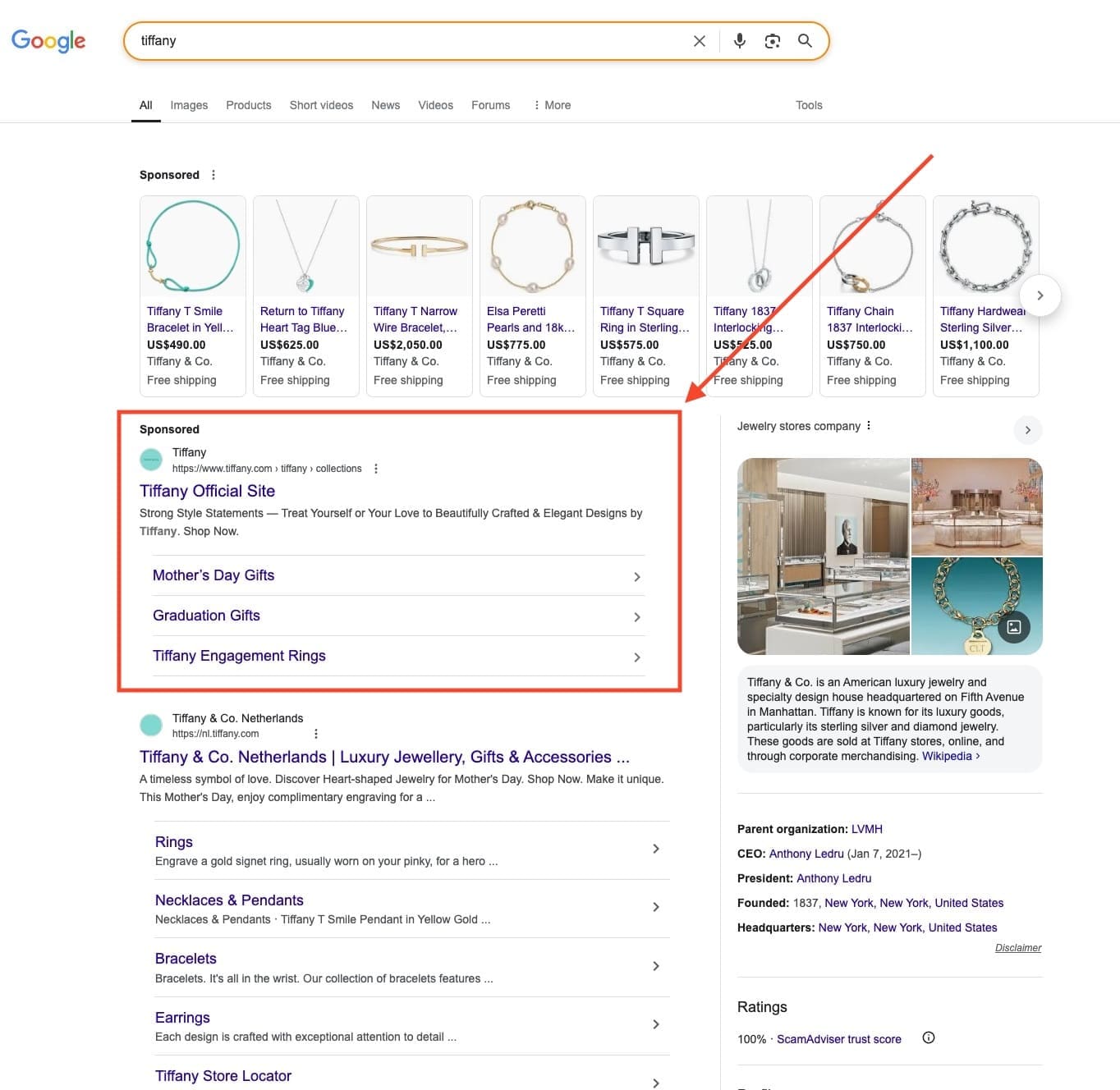
For marketing managers, PPC management is where creative, data, and budget meet. It’s how you control who sees your message, what it costs, and how well it converts. A strong PPC program doesn’t just deliver clicks—it delivers ROI.
How creative agencies approach it
At RIOT, PPC management is both an art and a science. We use bold creative and sharp strategy to design campaigns that don’t just perform—they outperform. From building full-funnel search strategies to launching product drops through paid social, we manage PPC like it’s part of the brand, not just the media plan.
We bring cultural fluency, storytelling, and analytics together to craft ads people actually click—and optimize every element for real results.
Dive Deeper
PPC (Pay-Per-Click) Management is the strategic oversight of paid search campaigns where brands pay for every click on their ads. It involves keyword targeting, ad copywriting, bidding strategy, audience segmentation, A/B testing, and continuous optimization to maximize ROI. In creative and digital agencies, PPC Management is essential for visibility in high-intent moments—turning platforms like Google Ads, Microsoft Ads, Meta Ads Manager, and LinkedIn Ads into measurable growth channels.
Related Glossary Terms
| Related Glossary Terms | Why It’s Relevant |
|---|---|
| Paid Media Campaigns | PPC is a major component of paid media strategies—often used to drive immediate visibility, traffic, and conversions. |
| Programmatic Media Buying | While programmatic covers display and video, PPC focuses on intent-driven search results—both benefit from automated optimization and targeting. |
| Conversion Funnels | PPC campaigns are optimized to guide users through every stage of the funnel—from initial click to final action. |
| KPIs (Key Performance Indicators) | PPC success is measured through metrics like CTR, CPC, CPA, quality score, ROAS, and impression share. |
| A/B Testing | PPC Managers frequently test headlines, descriptions, landing pages, and offers to optimize ad performance. |
Related Job Roles
| Related Job Roles | Why It’s Connected |
|---|---|
| PPC Campaign Manager | Directly oversees PPC campaign planning, execution, and optimization—often within broader paid media teams. |
| Performance Marketing Manager | Ensures PPC campaigns ladder up to overall performance goals—integrating with display, social, and remarketing strategies. |
| Digital Strategist | Incorporates PPC as part of the full-funnel strategy to attract, convert, and retain high-intent audiences. |
| Marketing Analyst | Supports PPC efforts with performance insights, trend analysis, and optimization recommendations. |