What is a case study?
A case study is the story of one project, told after the fact. In the agency world it usually follows a fixed arc: the challenge the client brought, the insight that unlocked it, the idea, the work itself and the results. It can live as a page on a website, a few slides in a credentials deck, a printed piece or a short film, and the best ones are built to work in all of those forms.
It is different from a portfolio entry. A portfolio shows what the work looks like. A case study explains why it looks that way and what it did, which is the part a prospective client is actually trying to judge when they are deciding who to trust with their own brief.
Why it matters
Why a case study matters
Clients hire agencies on evidence, and most of the evidence they will ever see is a case study. It is how a marketer who has never worked with you decides whether you understand problems like theirs. It is also how award juries meet the work: a campaign without a strong case study rarely wins, however good the campaign was, because the jury has a few minutes and hundreds of entries.
Inside the agency, writing one is a discipline. Explaining a project from brief to result forces the team to name what actually worked and what was luck, which is knowledge the next project can use.
In practice
How a case study works in practice
- 01
It starts while the project is still running. The best case studies are planned at kick-off: behind-the-scenes footage and stills captured on set, the strategy documented as it develops, and the client asked early about which results can be shared. After launch, the team collects the outcome data (views, coverage, sales, whatever the objective was) and agrees with the client what can be published, since many brands restrict the numbers.
- 02
Then it is edited like any other piece of storytelling. A written case study needs a sharp opening, a clear problem and an honest account of the result. A case study film, the format award shows favor, compresses the whole arc into a couple of minutes, with the work itself carrying most of the weight and the voiceover kept out of its way.
At RIOT
Case studies at RIOT
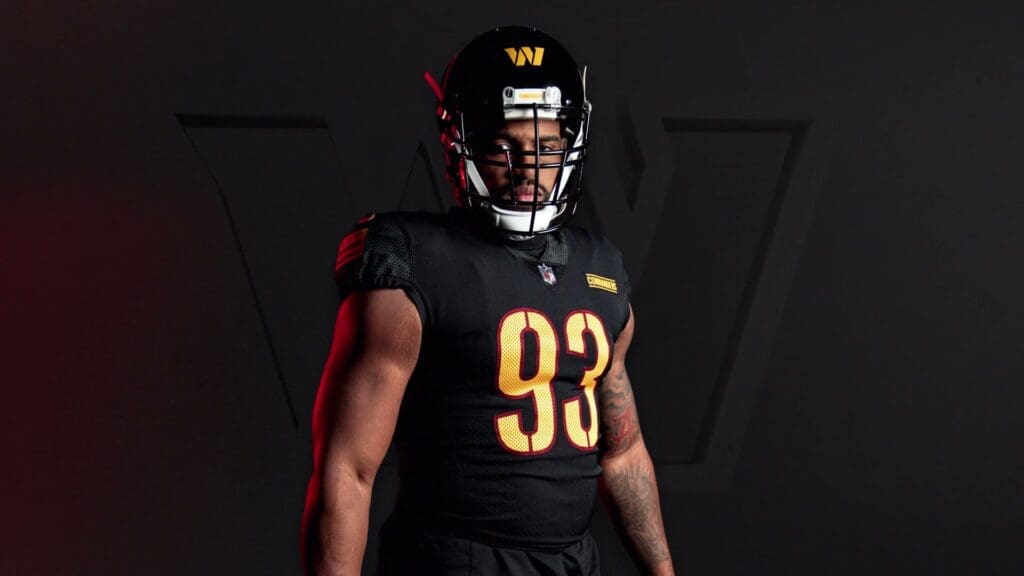
We make case studies for clients as well as about them. For the Washington Commanders our work runs from the 2022 rebrand film and the new identity trailer to the Major Tuddy mascot reveal, the "Making the Mascot" documentary and a Cannes case study film. Because RIOT is a creative agency and production studio, the team that tells the story of a project is the team that made it, which is the easiest way we know to keep a case study honest. We treat it as a film like any other, with the same craft as the campaign it describes.
Watch out
What people get wrong about case studies
Leading with the agency instead of the client's problem. A prospective client reads a case study to see their own situation in it, and three paragraphs of process before the problem lose them. The second mistake is inflating results, or presenting reach as if it were impact. Experienced marketers can tell, and one inflated number makes them doubt the rest. The third is waiting until months after launch, when the footage is lost and the team has moved on.