An episodic series in partnership with WSJ Custom Content that connects the dots between creative culinary art and the futures markets.
Futures trading can feel distant, abstract, and locked behind the language of markets. Numbers move. Contracts shift. Prices rise and fall. But underneath all of that is something far more human: the cost of food, the planning behind a restaurant menu, the risk behind a business decision, and the choices people make before the future arrives.
For TD Ameritrade’s Taste of the Futures, RIOT helped turn a complex financial topic into an accessible episodic series where finance met food, strategy met storytelling, and markets moved from the trading floor to the kitchen. As a business and technology creative agency, we built a story world that made futures trading feel tangible, sensory, and surprisingly delicious.
Created in partnership with WSJ Custom Content, the series used branded content, editorial strategy, and cinematic craft to connect the dots between commodities, chefs, restaurants, investors, and everyday life.
The creative idea was simple, but powerful: futures are not just financial instruments. They shape the price of what we eat, what businesses buy, and how people plan for uncertainty. Oats, corn, pork, wheat, beef, coffee, and countless other commodities all carry stories of supply, demand, volatility, and preparation.
Instead of approaching futures trading through charts and jargon, Taste of the Futures brought the subject into a place everyone understands: the kitchen. Hosted by Jamie McDonald, the series used chefs, ingredients, and cooking as a way into a financial system that quietly touches daily life.
This is where RIOT’s approach to product storytelling matters. The series did not oversimplify the subject. It translated it. It gave viewers a human, visual, and practical way to understand how futures trading works, why it exists, and how it influences decisions far beyond Wall Street.
TD Ameritrade’s Taste of the Futures: Episode #1 Back to the Futures begins with the question most people have but rarely ask out loud: what are futures, really?
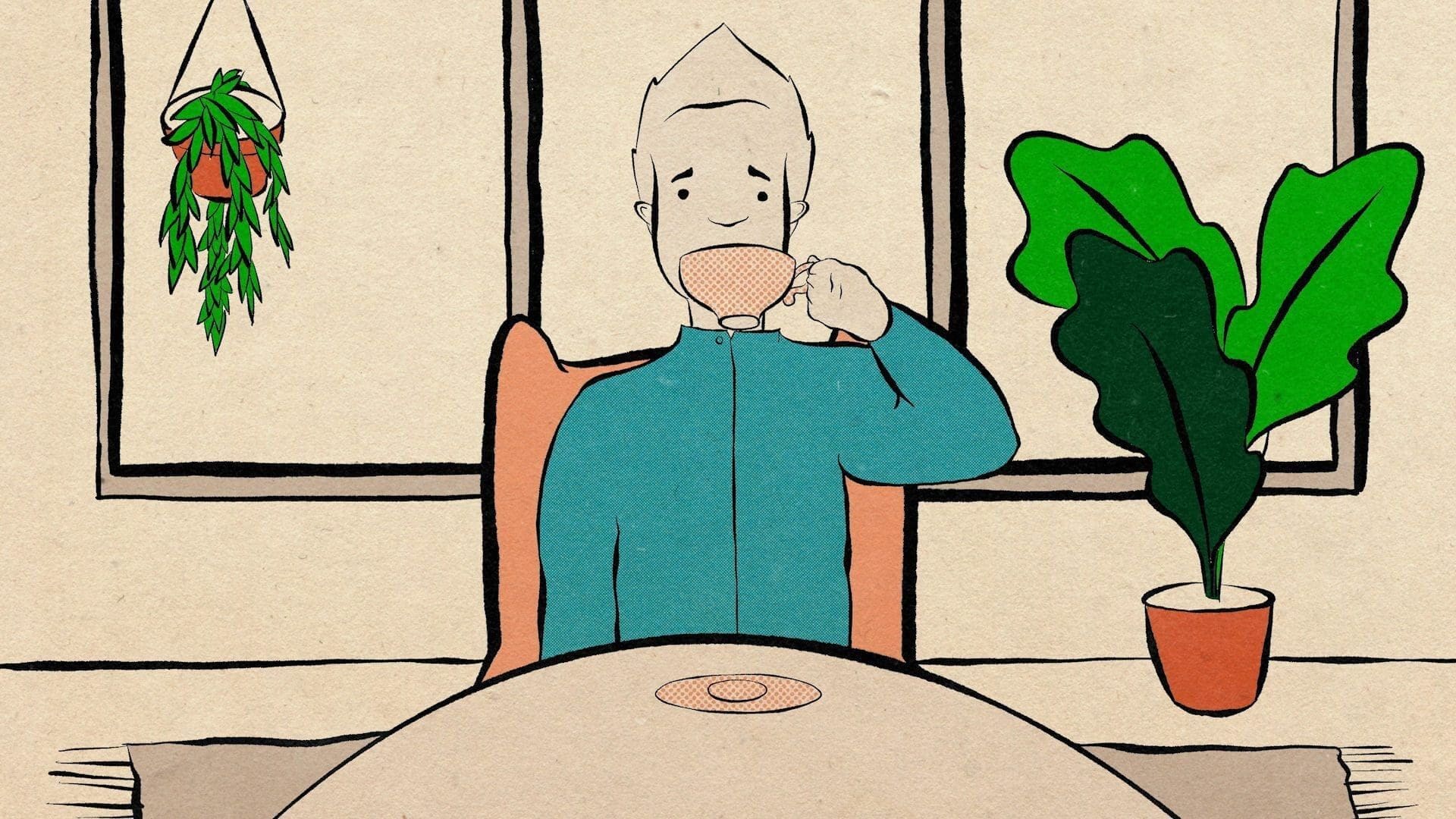
Jamie McDonald does not begin with a terminal full of tickers. He begins in the kitchen, surrounded by commodities that feel familiar: soybeans, oats, corn. These are not abstract assets. They are ingredients, crops, products, and parts of daily life. From there, the episode traces futures trading back to necessity, showing how farmers and buyers needed a way to manage unpredictable markets, stabilize prices, and protect themselves from volatility.
The episode makes finance digestible without making it thin. It explains how futures contracts emerged from real-world pressure, how margin trading works, and why futures influence the price of everything from coffee to bread. It is financial education through story, served with a side of market insight.
For RIOT, this was the foundation of the series: take something intimidating and make it accessible, visual, and worth watching.
TD Ameritrade’s Taste of the Futures: Episode #2 From Futures to Table moves from the kitchen at home to Chicago, the birthplace of the American futures market, and into the world of fine dining with Noah Sandoval, award-winning chef and owner of Oriole.
The episode draws a sharp connection between trading and cooking. Both are built on timing, precision, risk, planning, and the ability to anticipate what comes next. A chef’s menu can behave like a portfolio: balanced, considered, and constantly adjusted. Some dishes are high risk. Others are safe bets. The art is knowing how each choice affects the whole experience.
Standing in front of the Chicago Mercantile Exchange, Jamie sets up the market logic. Inside Oriole’s kitchen, Sandoval shows the culinary equivalent. Corn, wheat, beef, and other ingredients are not just things on a plate. They are assets influenced by supply chains, prices, contracts, and futures markets long before they reach the restaurant.
Episode #2 showed how financial storytelling can become more compelling when it is grounded in craft. Futures trading and fine dining may look like different worlds, but both depend on foresight, discipline, risk management, and the perfect blend of instinct and strategy.
TD Ameritrade’s Taste of the Futures: Episode #3 Plating the Future brings the idea into full focus. Markets shift. Prices rise. Consumer behavior changes. The invisible hand of futures trading reaches beyond Wall Street and lands directly on the counter in front of Chef Gabriel Kreuther.
For the challenge, three ingredients take center stage: oats, pork, and corn. They do not typically share the same plate, but they are connected by their financial futures. When Jamie explains that pork futures are projected to rise, Chef Kreuther receives slightly less pork to work with. The creative limitation mirrors the real-world decisions restaurants face every day.
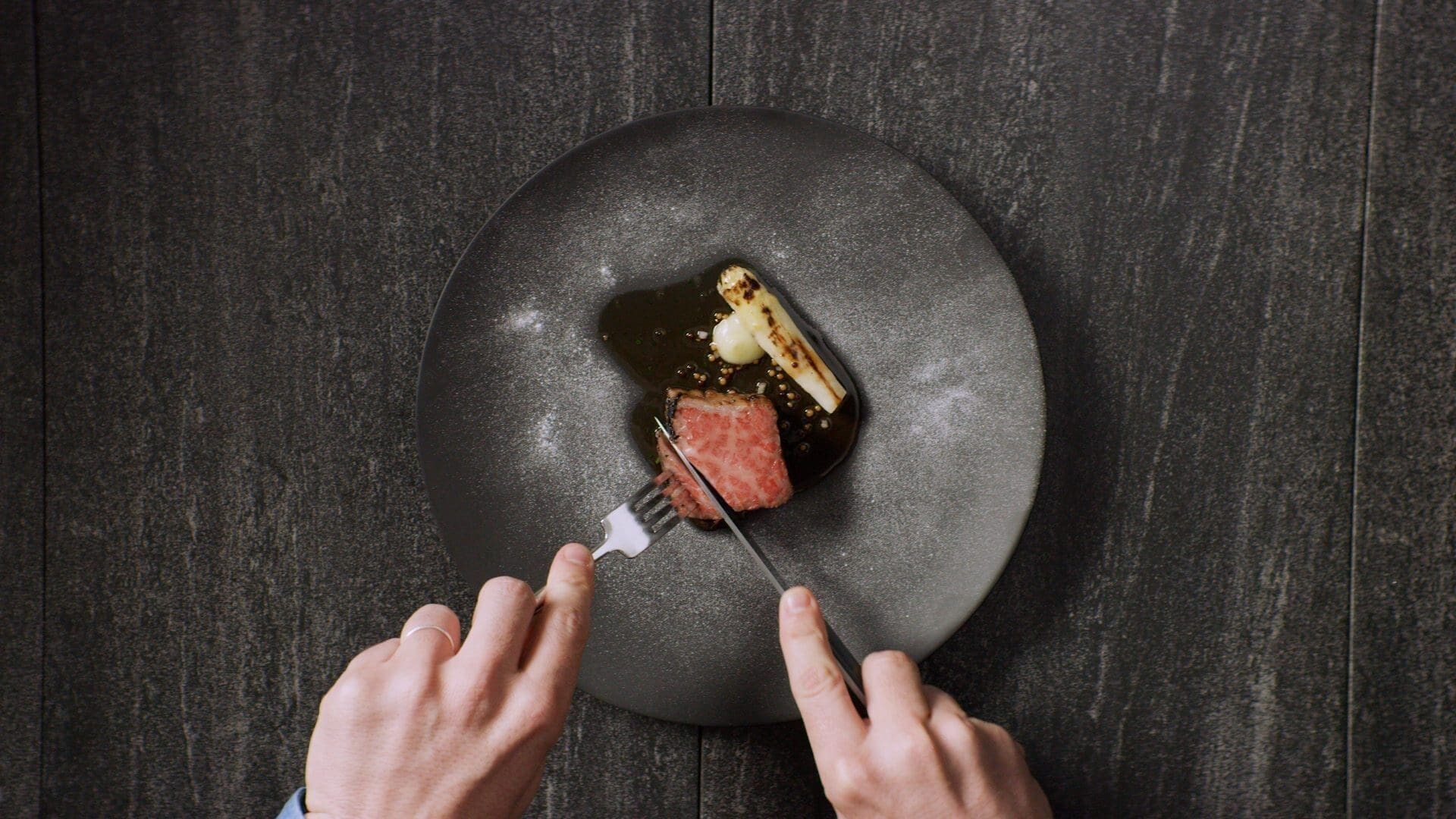
That constraint becomes the spark. Kreuther responds with invention: Pork Chou Farci, oat fries, and corn, creating a dish that reflects market prediction through culinary craft. The episode shows how chefs, like traders, must think ahead. Supply, demand, cost, trends, and timing all influence what gets made, what gets served, and what becomes viable.
Oats become part of the story too. The rise of oat milk created new demand, shifting the market before supply caught up. It is a reminder that consumer behavior does not just follow markets. It helps shape them.
Episode #3 gave the series its most sensory expression: a meal as a market indicator, a plate as a forecast, and a chef’s decision-making as a living metaphor for futures trading.
The strength of Taste of the Futures was its ability to make financial education feel less like instruction and more like discovery. The series used chefs, restaurants, ingredients, cities, markets, and conversation to open up a subject that can otherwise feel closed off.
RIOT’s role was to shape that experience through video production, story structure, pacing, edit, color, and visual detail. The work carried an editorial tone, but it still had the energy of a branded series. It needed to inform, but also entertain. It needed to respect the intelligence of the viewer while giving them a clear path into the subject.
From kitchen setups to ingredient close-ups, from Chicago streets to market explanations, from chef conversations to animated moments, the series used motion graphics and visual storytelling to make each concept easier to follow without flattening the complexity behind it.
Financial services often struggle because the subject matter is important, but the communication feels cold. The products are meaningful. The decisions matter. The impact is real. But when the language becomes too technical, audiences disconnect before the story has a chance to land.
Taste of the Futures showed another way. Finance can be cultural. It can be sensory. It can be explained through food, risk, planning, craft, and human behavior. Futures trading is not just a market mechanism. It is a system that influences the cost of what we eat, the way restaurants plan, and the decisions people make before uncertainty arrives.
For RIOT, the series is a strong example of how brand storytelling can turn complex financial ideas into something audiences can understand, remember, and actually want to watch.
TD Ameritrade’s Taste of the Futures connected markets to meals, traders to chefs, and financial education to everyday life. It took a subject often buried in terminology and gave it shape, flavor, rhythm, and clarity.
For RIOT, it remains a sharp example of what happens when a financial brand chooses to teach through story rather than lecture through jargon. The future may be uncertain, but the creative approach was clear: make it human, make it useful, and make it worth watching.
Because whether you are plating a dish or making a trade, the future always starts with the choices you make today.