What is cinematic expression?
Cinematic expression is the difference between recording something and saying something with it. Two crews can film the same room with the same actor and come back with two different films, because one chose a long lens and a slow push and the other chose a wide and a handheld drift. Neither is more correct. Each is an expressive choice: the lens, the light, the frame rate, the color, the format, the way the camera moves and when it stops.
The phrase is useful because it names the part of filmmaking that is not technical. A sharp, well-exposed image is a technical achievement. An image that makes you feel the weight of a watch or the loneliness of a locker room before the game is expression, and it comes from decisions made on purpose by a director and a cinematographer who know what they want the audience to feel.
Why it matters
Why cinematic expression matters
For a brand, expression is the whole point of making a film rather than a slide. A product can be described in a sentence; what a film adds is a feeling attached to it, and the feeling comes from the craft. A luxury house that shoots on film, in available light, at a measured pace is telling you something about patience and permanence before a word is spoken. A sports team that cuts fast and shoots low is telling you something else.
Expression is also what makes work recognizable. Audiences cannot describe a brand's visual language, but they know when a film belongs to it and when it does not.
In practice
How cinematic expression works in practice
- 01
It starts with intent. Before anyone picks a camera, the director and the creative director agree what the film should feel like, in words a crew can act on: close, patient, restless, bright. Those words turn into choices. A format (digital, 16mm, 35mm), a lens set, a lighting approach, a rule about movement, a palette for the grade.
- 02
On set the rule is held. The temptation on every shoot is to cover everything, just in case, and coverage is the enemy of expression: a film that was shot three ways gets cut the safe way. In the edit and the grade the same intent is carried through, so the finished piece feels like one decision rather than a hundred.
At RIOT
Cinematic expression at RIOT
The Medusa, our film for Tiffany & Co., was shot partly on 16mm. That was an expressive choice, not a technical one: the grain, the softness and the way film handles light say something about the piece that a clean digital image would not. Our rebrand film for the Washington Commanders needed a different feeling and made different choices, which is the point. Expression is specific to the story.
Watch out
What people get wrong about cinematic expression
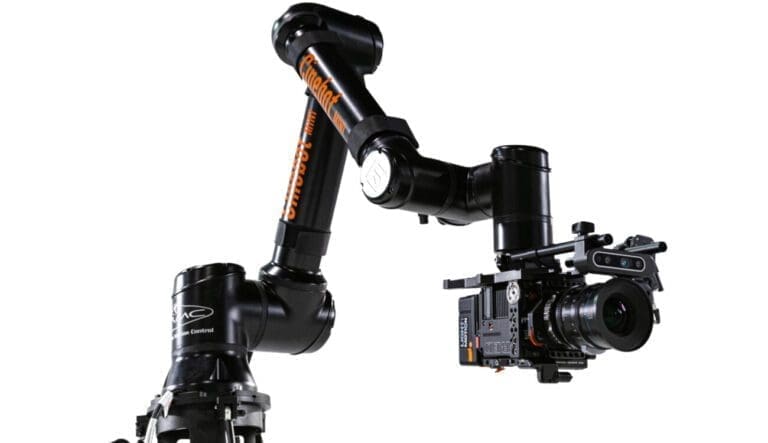
Confusing it with production value. A big crane move and a drone shot are not expression; they are tools, and used without a reason they are noise. Some of the most expressive films ever made were shot on a tripod in a room. The other mistake is leaving expression to the grade, as if a look could be applied afterwards. The grade can finish a feeling that was captured; it cannot invent one that was not.