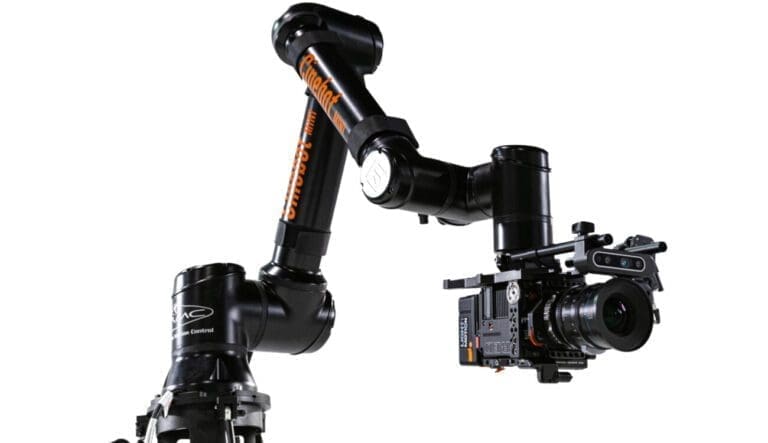
What is cinematic robotics rental?
Cinematic robotics rental is how most productions get access to a camera robot. The systems, industrial arms adapted to carry a cinema camera, are expensive to buy, need regular maintenance and require a trained operator, so very few agencies or brands own one. Instead a rental house supplies the arm, the track, the control software and the person who runs it, usually by the day, with a prep day in advance to program the moves.
A typical package includes the robot, its base and track, the camera mount, a controller and monitor station, cabling, safety barriers, and a technician who also serves as the programmer. Some houses add a previsualization service so the moves arrive on set already built.
Why it matters
Why robotics rental matters
Renting turns a capital decision into a creative one. A director who wants one extraordinary move for one shot can have it, for one day, without the agency carrying a machine that sits idle the rest of the year. It also puts the right person in the room: a technician who programs these rigs every week will get a move built and safe in an hour that a generalist would struggle with all morning.
For brands, rental is how a product film gets the kind of camera work that used to belong only to the biggest campaigns. The arm that shot last month's fragrance commercial is available next week for a smaller launch.
In practice
How robotics rental works in practice
- 01
It starts with a conversation about the shots, not the gear. The production sends storyboards or a shot list, and the rental house advises which rig suits the moves, the space and the camera package. A prep day follows, where the technician builds the moves in software and checks reach and clearances against the set plan.
- 02
On the shoot day the rig arrives early, is assembled and calibrated, and the moves are rehearsed at low speed before anything runs fast. The technician stays on the controls all day, and the production pays for the day, the prep, the transport and sometimes a minimum hire. The data for each move is handed over at wrap for post.
Watch out
What people get wrong about robotics rental
Treating the rental like a camera hire. A camera comes in a case and works when you turn it on; a robot needs a floor that can take its weight, a power supply, a clear radius and a schedule built around setup time. Productions that find this out on the day lose hours. The other mistake is skipping the prep day to save money. The prep is where the moves are made, and a rig that arrives without them is a very expensive tripod until lunch.
A third is renting the biggest arm available. The fastest rig is also the heaviest, the loudest and the most demanding of space, and most product shots are well within the reach of a smaller system. Ask the rental house to size the rig to the shots, not to the ambition of the pitch deck, and spend the difference on the lighting and the set.