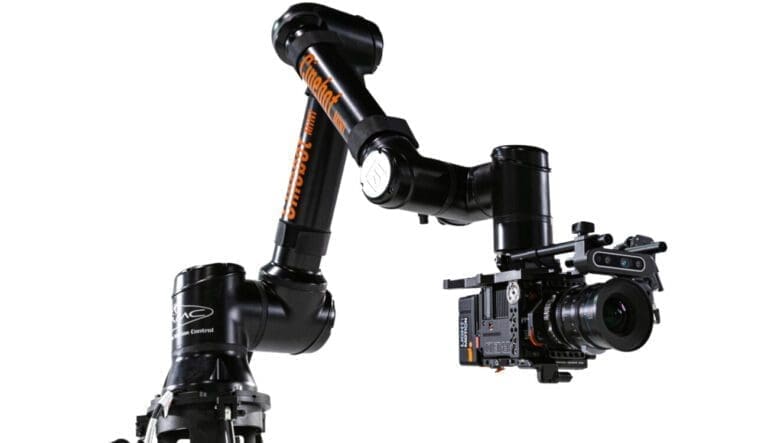
What is cinematic automation?
Cinematic automation is what happens when a shot is written as a program. The camera move, the lighting cues, the turntable, the practical effect and the playback are all stored on one timeline and fired by a controller, so the shot plays like a piece of music rather than a set of instructions shouted across a stage. The crew designs the sequence once; the equipment performs it as many times as the day needs.
It is a broader idea than motion control, which is specifically about the camera. Automation takes in everything around the camera as well: dimmer boards, motorized sliders, high-speed triggers, pneumatic rigs that drop a product on cue. The more of the set that is on the clock, the more repeatable the shot, and the more the director can treat the take as a composition rather than an attempt.
Why it matters
Why cinematic automation matters
Precision is the obvious benefit, but the deeper one is time. A product shot that would take a crew forty takes to land by hand can be dialed in over a handful of rehearsals and then captured in one. On a day rate that difference pays for the gear, and it means the hours that were spent waiting for a lucky take can be spent on the thing that actually makes the film better: the light, the styling, the idea.
Automation also makes variants cheap. A brand with twelve shades or six finishes can run the same sequence for each, and the results cut together as a family because nothing moved between them except the product.
In practice
How cinematic automation works in practice
- 01
The sequence is designed before the shoot, usually in previsualization software that shows the frame at each moment and the cue points for every device. The rig technician builds the program and tests it with stand-in objects, checking that each cue lands on the frame the director wants and that the devices clear each other.
- 02
On the day the first hour is rehearsal: slow passes to check framing and safety, then passes at speed to refine the offsets. Once it is locked, the shoot becomes a loop of reset, run and review. The plates arrive in post already aligned, which is where most of the saving is realized.
Watch out
What people get wrong about cinematic automation
Thinking it removes the crew. Automation removes repetition, not judgment. The DP still lights it, the director still calls it, and the technician who programmed the rig is one of the most important people on the floor. The other mistake is automating a shot that did not need it. A slow, elegant move with one element in frame is often better done by a good operator, and the robot's day rate is better spent on the shot that genuinely cannot be done by hand.
A third is leaving no room to change. A fully automated setup is beautifully repeatable and slow to redesign; if the client wants a different angle at noon, the program has to be rebuilt. Build flexibility into the plan, with alternate moves ready, rather than hoping nobody changes their mind.