What is filmmaking automation?
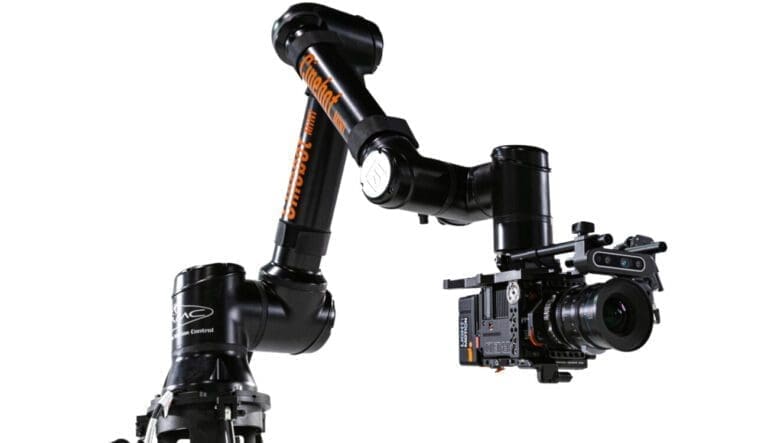
Filmmaking is full of repetition. A camera move that has to be identical across twenty products. A spot that has to exist in nine aspect ratios and six languages. A call sheet that is rebuilt every time the schedule changes. A delivery that means renaming four hundred files to a client's spec. Filmmaking automation is the practice of handing those jobs to machines: motion-control rigs that repeat a move to the millimeter, templates that generate every version from one master, software that builds the schedule, the budget and the manifest from the same data.
It is not the same as automated creativity. Automation takes a decision a human made once and executes it many times without drift. The idea, the framing, the performance and the edit are still chosen by people. What changes is how much of the week those people spend on the choosing and how much on the copying.
Why it matters
Why filmmaking automation matters
Budgets have not grown; deliverables have. A campaign that once meant one film now means a film, its cutdowns, its verticals, its stills, its loops for retail screens and its variations for paid testing. Done by hand, that volume either costs more than the brand will pay or arrives late and inconsistent. Automation is how a small team delivers the volume without losing the standard.
It also raises the floor on quality. A motion-controlled pass is repeatable in a way no operator is, which is what makes seamless product comparisons and effects shots possible. A versioning template means the ninth aspect ratio is framed as carefully as the first. For a fashion brand shooting a whole collection, automation is the difference between a consistent catalog and forty slightly different films.
In practice
How filmmaking automation works in practice
- 01
On set, automation mostly means hardware: robotic camera arms and motion-control rigs that record a move and replay it, programmable sliders and heads, lighting that changes state on cue, and triggers that fire the camera, the turntable and the light at once. The crew programs the move once, then swaps the product and runs it again. The payoff is biggest on tabletop and product work, where dozens of items need the same treatment.
- 02
In post and production management, automation is software. Edit templates that generate cutdowns and crops from a master. Render farms and watch folders that process files without anyone pressing export. Scheduling and budgeting tools that update everything downstream when one date moves. Delivery systems that name, check and transmit files to spec. The common principle is to enter each piece of information once and let the system carry it everywhere it is needed.
At RIOT
Filmmaking automation at RIOT
We built Krova, our production software, because the administrative side of making films was eating time that belonged to the films. The repeated work of production, the scheduling, the tracking, the handoffs between a shoot and an edit and a delivery, is exactly the kind of work that should run on rails. Automating it is how a creative agency and production studio keeps senior people on the creative decisions instead of the paperwork, and it is why we treat our own tools as part of the craft rather than an afterthought.
Watch out
What people get wrong about filmmaking automation
Expecting it to replace taste. A template cannot tell you the vertical crop has lost the point of the shot; a person has to look. Automation that is not reviewed produces consistent mistakes at scale. The second error is automating too early. The first time you do something, do it by hand and learn what matters; automate the second time, once you know which parts are really repeatable.
The third mistake is buying tools instead of designing a workflow. A rig, a render farm and a project management system that do not share data create three new jobs instead of removing one. The automation that works is the kind where the data flows from the brief to the delivery without being retyped.