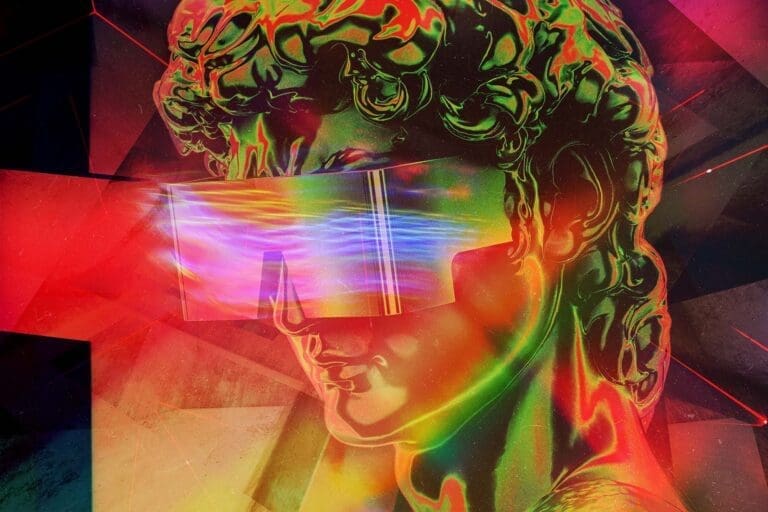
What is AI-generated content?
AI-generated content is the output side of generative AI: the picture that was never photographed, the voiceover nobody recorded, the paragraph nobody typed. The model was trained on vast amounts of human work and produces new material in the same shape when asked. Where AI content in marketing usually means copy, AI-generated content covers the whole range: synthetic imagery, generated video, cloned voices, composed music and the text in between.
The line that matters is capture versus generation. A photograph is a record of something that happened in front of a lens. A generated image is a plausible arrangement of pixels. Both can be beautiful. Only one is evidence, and audiences increasingly want to know which one they are looking at.
Why it matters
Why AI-generated content matters
For brands it is a cost curve and a trust curve crossing. Generated imagery can replace stock, mock up a campaign before a shoot, or produce a hundred product variations overnight. At the same time, audiences have learned to spot the tells, the extra finger and the too-smooth skin, and they penalize brands caught passing synthetic work off as real. In fashion and beauty, where the image is the product, that penalty lands hardest.
The rights question sits underneath all of it. Who owns a generated image, whose work trained the model, and whether a brand can protect output it did not author are still being decided in courts and legislatures. Anything built on generated assets carries that uncertainty with it.
In practice
How AI-generated content works in practice
- 01
The reliable uses sit early and late in a project. Early, generated images make fast mood boards, storyboards and pre-visualization, so a client can see a direction before anyone books a studio. Late, generation handles extension and cleanup: filling a background, extending a frame to a new aspect ratio, removing a cable, drafting a hundred versions of a caption.
- 02
The middle, the actual hero work, is where it still struggles. A generated film cannot hold a character, a product or a location consistent across shots the way a shoot can, and a generated model cannot sign a release. Teams that treat it as a pre-production and post-production tool get the speed without the exposure.
Watch out
What people get wrong about AI-generated content
Assuming it is free. Prompting a model to something usable takes skilled hours, and the legal review on a generated hero asset can cost more than the photographer would have. The other error is believing nobody can tell. Audiences, platforms and detection tools are all getting better, and the reputational cost of being caught is paid long after the saving was spent.
The third mistake is mixing the two without keeping track. A campaign that blends a real shoot with generated backgrounds is a legitimate craft choice; the trouble starts when nobody, inside or outside the brand, can say which frames are which. We keep a record of what was generated, with which tool, and who approved it.