What is precision filmmaking?
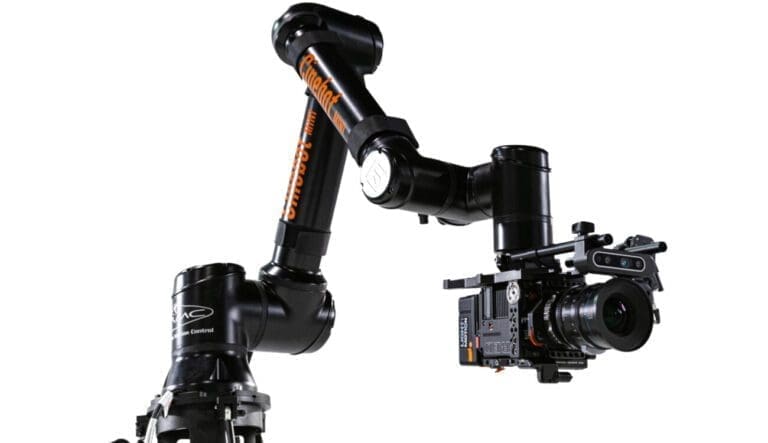
Precision filmmaking is the discipline of removing chance from a shot. It describes a way of working more than a piece of equipment: the move is designed before the day, the lighting is built for the exact path of the camera, the timing of every element is fixed, and the tools, from motion control rigs to programmable lights and triggered effects, execute the plan to the frame. The result is a shot that can be repeated, layered and refined rather than hoped for.
It is the opposite of run-and-gun, and it belongs to a particular kind of work: product and tabletop films, macro photography, visual effects plates, and any image where a millimeter of drift or a frame of delay would show. The approach came out of the effects industry and now defines the look of high-end commercial product work.
Why it matters
Why precision filmmaking matters
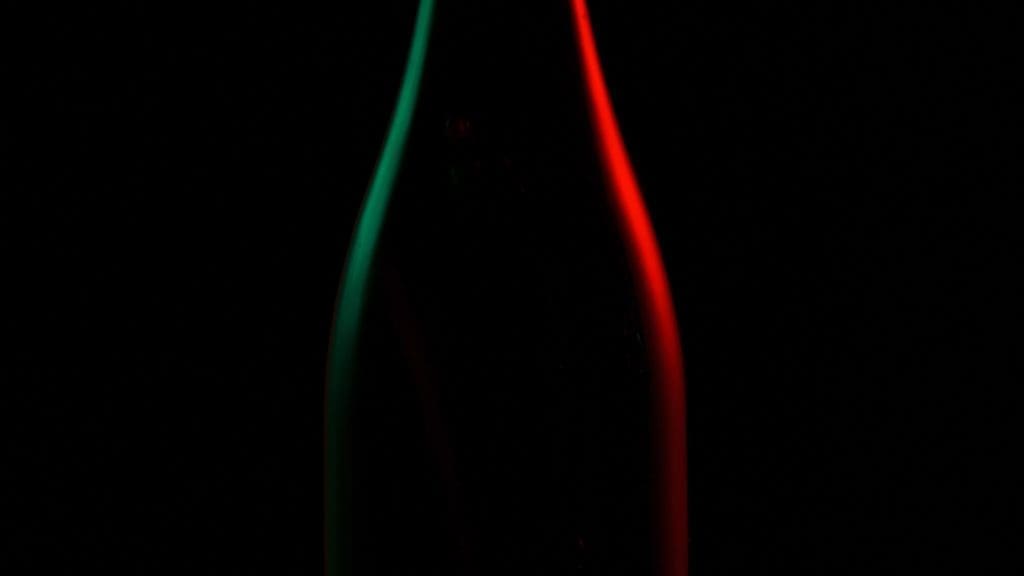
Some subjects do not forgive. A watch movement, a drop of serum, a diamond under a single light: at that scale the camera's path is the composition, and any wobble reads as a mistake. Precision gives the director control over details that would otherwise be left to luck, and in luxury and beauty work those details are the product.
It is also a matter of efficiency once the planning is done. A move that repeats exactly can be shot across a dozen product variants in an afternoon, and plates that line up on capture save days in compositing. Precision costs more before the shoot and less after it.
In practice
How precision filmmaking works in practice
- 01
The work is front-loaded. The director and the cinematographer design each shot in previsualization, agreeing the lens, the path, the speed and the frame at every point, often against a 3D model of the product. The lighting plan is drawn for the camera's path rather than for the room. The effects, the triggers and the product handling are scheduled to the frame.
- 02
On set the plan is executed by specialists: a motion control technician on the rig, a gaffer on a lighting board with stored cues, a product stylist resetting between passes. Rehearsals at low speed confirm the plan; full-speed passes capture it. Every take is logged with its data so that post can assemble the layers without guesswork.
At RIOT
Precision filmmaking at RIOT
The Iconic Age, our tabletop and macro product film for Cartier, is precision work by nature. At macro scale the camera's path is the whole composition, and a jewel that fills the frame shows every decision the crew made and every one it did not. That is the kind of film where the plan is the picture.
Watch out
What people get wrong about precision filmmaking
Confusing precision with sterility. A precisely planned shot can be warm, strange or playful; what it cannot be is accidental. The plan serves the feeling, not the other way around. The other mistake is applying it to everything. A documentary interview or a street scene gains nothing from a motion control rig and loses its life to one. Precision is a tool for the shots that need it, and knowing which those are is the first skill.