What is voiceover recording?
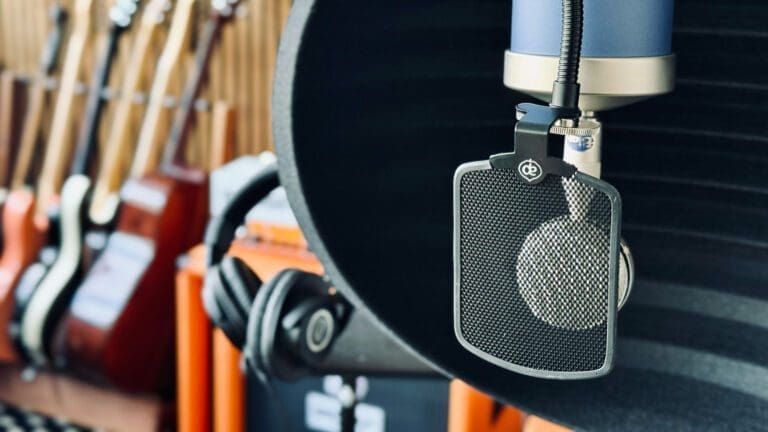
Voiceover recording is the making of the voice that is not on screen. A narrator reading a brand film, the announcer in a thirty-second spot, the character in an animation, the calm voice in an explainer: each is a voice actor in a booth, reading a script into a microphone chosen for their voice, directed by someone who knows what the film needs. The recording is clean, close and controlled, which is what makes it sit on top of a mix without fighting anything beneath it.
The session can happen in a dedicated voiceover booth, in a larger studio, or remotely with the talent in their own treated room and the director listening over a link. What stays constant is the standard: a quiet space, a good microphone, and a performance directed to the picture rather than read into the void.
Why it matters
Why voiceover recording matters
The voice is the film's point of view. It tells the audience how to feel about what they are seeing, and the wrong voice, or the right voice recorded badly, undermines every image under it. A warm, confident read recorded cleanly makes a brand sound like someone worth listening to; a thin, roomy recording makes the same brand sound like a corporate video, and audiences hear the difference instantly even if they cannot name it.
Casting is half of that and recording is the other half. A great voice through a poor microphone in an untreated room is a great voice wasted.
In practice
How voiceover recording works in practice
- 01
Casting comes first: the director and the client listen to demos and choose a voice that fits the brand and the script. The script is finalized, timed against the picture and marked for emphasis and pronunciation, then sent to the talent ahead of the session. The booth is prepared with a microphone suited to the voice and the picture cued up so the read can be timed to it.
- 02
In the session the director guides the performance line by line: tone, pace, where to lift and where to land. Several takes of each section are recorded, with alternates for lines the client may want to revisit. The engineer selects and cleans the takes, and the voice is delivered to the mix, where it is leveled, treated and placed against the music and the effects.
Watch out
What people get wrong about voiceover recording
Recording before the picture is locked. A read timed to a cut that then changes has to be re-recorded or forced to fit, and forced reads sound forced. The other mistake is directing by adjective. Telling a voice actor to be warmer rarely helps; telling them who they are talking to and why does. A good director gives the talent a listener, not a mood.
A third is casting for the demo rather than the script. A voice that sounds wonderful on a reel of other brands' work may not be the voice of this one, and the audition should be a read of the actual lines against the actual pictures.