What is illustration?
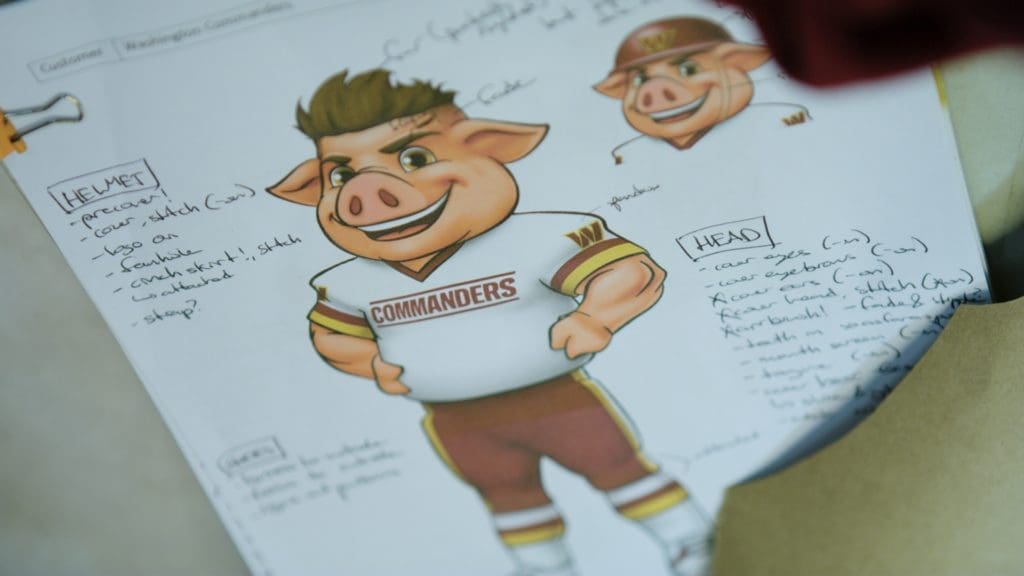
Illustration is the picture that was made rather than taken. It covers a wide field: editorial drawings beside an article, spot illustrations in an interface, character work for a campaign, technical and explanatory diagrams, patterns for packaging, animated sequences for film, the drawn mark inside a logo. The common thread is authorship. A photograph records what was in front of the lens; an illustration shows what the artist chose to show, in a hand that belongs to someone.
It also carries a style the way a typeface does. A brand that uses the same illustrator, or the same drawn language, across its site, its packaging and its social channels builds something recognizable that photography alone struggles to give: a world that is unmistakably its own.
Why it matters
Why illustration matters
Illustration does things photography cannot. It can show what does not exist yet, simplify what is complicated, make the abstract concrete and make the serious approachable. It gives a brand a face without a model release, a world without a location fee and a consistency that stock photography never delivers. In a feed full of the same lighting and the same faces, a drawn image is also distinct, and distinct is the whole game. The risk is the same as the reward: a style is a strong statement, so the wrong one is as loud as the right one.
In practice
How illustration works in practice
- 01
Commissioning starts with the job. Is the illustration explaining, decorating or carrying the brand? That decides the kind of illustrator and the kind of brief. We look for a hand that already does what the brand needs rather than asking one to imitate another, we agree the usage (where, how long, which markets) and the rights up front, and we brief with references, the copy it has to sit beside and the sizes it has to work at.
- 02
Then the work goes through rounds: rough sketches to settle the idea and the composition, a refined drawing, color, and final art delivered in the formats the uses need, usually layered files and vector where possible so it can be recolored, cropped and animated later. For a brand system the output is also a set of rules: line weight, palette, how figures are drawn, what is never drawn, so other hands can extend it.
Watch out
What people get wrong about illustration
Using illustration as filler. The generic flat-vector people that populated every tech homepage for five years are the proof: illustration that says nothing specific says the brand is interchangeable. Second, briefing an illustrator to copy a style found online; the result is weaker than the original and sometimes a legal problem. Third, skipping the rights conversation, then discovering the drawing cannot be used on packaging or in a second market without a new fee.
And for the budget-minded: AI image generators produce pictures, not illustration. The consistent hand, the intention and the ownership are exactly what they do not supply.