What is a creative agency process?
A creative agency process is the method under the work. It answers the questions a client should ask before hiring anyone: how will you understand my problem, how will you get to an idea, how will I see it, how will it get made, and how will I know it is done. Every agency has an answer, and the good ones can draw it on a whiteboard in a minute: brief, strategy, concept, approval, production, post, delivery, with review built in at the points where changing course is still cheap.
It is broader than a workflow. Process includes how the agency pitches, how it scopes and prices, how it handles disagreement and how it closes a job. Workflow is the sequence; process is the whole way of working.
Why it matters
Why a creative agency process matters
Creative work is uncertain by nature, and process is what makes that uncertainty safe to buy. A client cannot know what the film will look like at the start, whether they are a luxury house or a sports franchise, but they can know when they will see the idea, how many options they will get, when they will be asked to decide and what it costs to change their mind later. That knowledge is what lets them say yes to something ambitious.
Process also protects the idea. Work that moves through clear gates arrives at production with the concept approved, so the shoot is spent making it rather than relitigating it.
In practice
How a creative agency process works in practice
- 01
Brief and strategy. The agency receives or writes the brief, interrogates it, and returns a point of view: what the real problem is and what the work has to do. Scope and fee are agreed here.
- 02
Concept and approval. Ideas are developed and presented, usually as a world the client can see rather than a deck of words. One is chosen, refined and signed off. This is the most important gate in the process.
- 03
Production and post. The approved idea is planned, shot, designed or built, then edited, graded, mixed and finished. Client reviews happen at defined points: the rough cut, the fine cut, the final.
- 04
Delivery and close. Final files are delivered in every format the scope promised, assets are archived, the invoice is reconciled against the estimate and the team records what it learned for the next job.
At RIOT
Creative agency process at RIOT
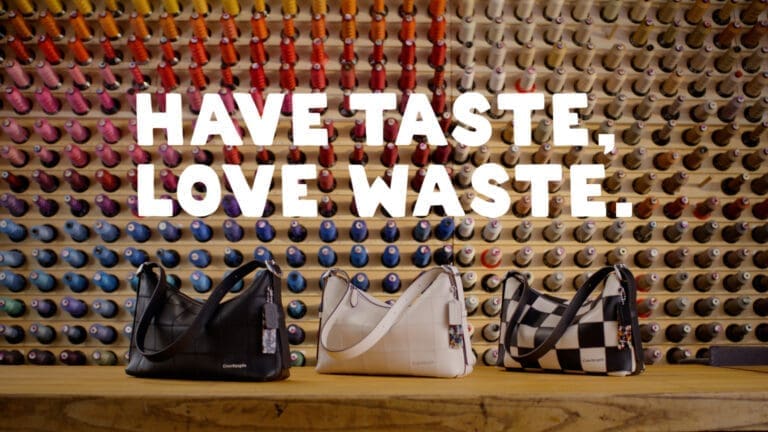
Ours is short because the chain is short. We are a creative agency and production studio, so the strategist who writes the brief is in the edit and the creative director who sells the idea is on set. It is how the 2022 rebrand film and new identity trailer for the Washington Commanders came from the same room as the thinking behind them, and why more than a decade of work with Coach has run on the same loop of brief, idea, shoot, edit and deliver.
Watch out
What people get wrong about creative agency process
Mistaking process for a deck. An agency process is not the slide with six circles on it; it is what happens on a Tuesday when the client changes the brief. The other mistake is rigidity. A process that cannot flex for a rush job or a documentary that needs more research is a process people route around, and a process people route around is not a process at all.