What is a product launch?
A product launch is the moment a brand says "this is new" and makes it matter. It is the campaign, the content, the press, the retail and the social activity that surround a product's arrival, planned so that the audience hears about it at once, understands it quickly and can buy it immediately. A launch can be as small as a single film and a social push for a new shade, or as large as a global rollout with a hero film, a campaign shoot, retail design, influencer seeding, events and a media plan across every market.
The launch is distinct from the product itself and from the ongoing marketing that follows. It is a peak: a concentrated burst of attention, with a date, a story and a set of deliverables that all point at the same moment. What makes it a launch rather than just another campaign is the newness, the timing, and the fact that it is the product's one chance to make a first impression.
Why it matters
Why a product launch matters
First impressions set the price of everything after. A product that launches clearly, with a story people repeat and an image people remember, enters the market with momentum, and every subsequent campaign builds on it. One that launches quietly or confusingly spends the next year paying to explain itself. For a beauty brand with a new formula or a fashion house with a new bag, the launch is often where the product's whole reputation is made.
A launch also aligns the organization. Sales, retail, PR, social, e-commerce, customer service and the agencies all have to be ready on the same day, with the same story, which is harder than it sounds. The discipline of a launch date forces the decisions that would otherwise drift, and the shared moment gives everyone inside the company a reason to care about the product at once.
In practice
How a product launch works in practice
- 01
A launch runs backward from the date. Months out, the team agrees the positioning: what the product is, who it is for, the one thing it does that matters, and the story that carries it. From that comes the creative: the hero film, the campaign imagery, the key art, the product films for e-commerce, the social cuts, the retail graphics and the press kit. Production happens well ahead of the date, with the product's final design and packaging in hand, because launch creative that shows a prototype is a launch that has to be redone.
- 02
The weeks before are seeding and build-up: embargoed previews for press and creators, teasers on social, retail displays installed, product pages built and tested, paid media booked. Launch day is the reveal across every channel at once, with the hero film leading and everything else pointing to where the product can be bought. The weeks after are the second half of the launch: reactive content, creator posts landing, reviews amplified, performance creative optimized on early data, and a read of what worked that shapes the sustain campaign. The launch is measured on awareness, sell-through and the cost of each first customer, against targets set before any of it started.
At RIOT
Product launches at RIOT
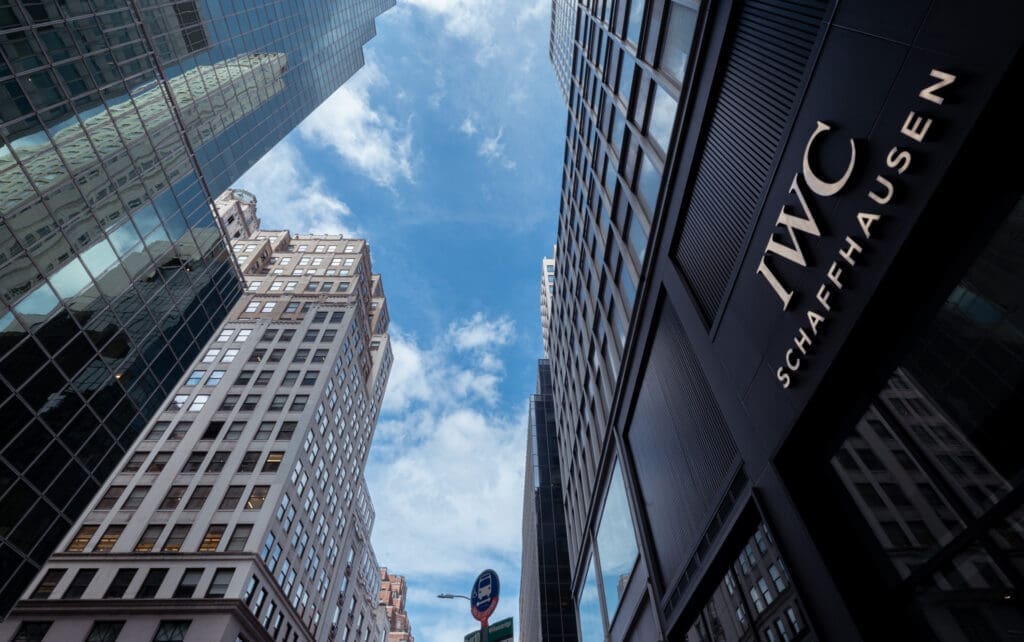
Launch films are a large part of what we make. The e.l.f. Mirror Mix launch film has drawn around five million views, built to reveal a product and set its tone in one piece. Our Nutrafol x Sephora product films were made for a retail launch where the e-commerce page and the store needed the same story, and the IWC Schaffhausen NYC flagship film launched a space rather than a product with the same logic. As a creative agency and production studio we build the hero film, the cutdowns, the stills and the key art together, so a launch leaves the building whole.
Watch out
What people get wrong about product launches
Launching the features. A product introduced by its specification is forgotten by the next scroll; a product introduced by what it changes for the person using it is remembered. The second mistake is treating launch day as the end. The weeks after, when reviews land and the audience decides whether the story was true, are where most launches are won or lost, and the budget should reach them. The third is shooting before the product is final. The color changes, the packaging changes, and the launch film shows a thing that does not exist.