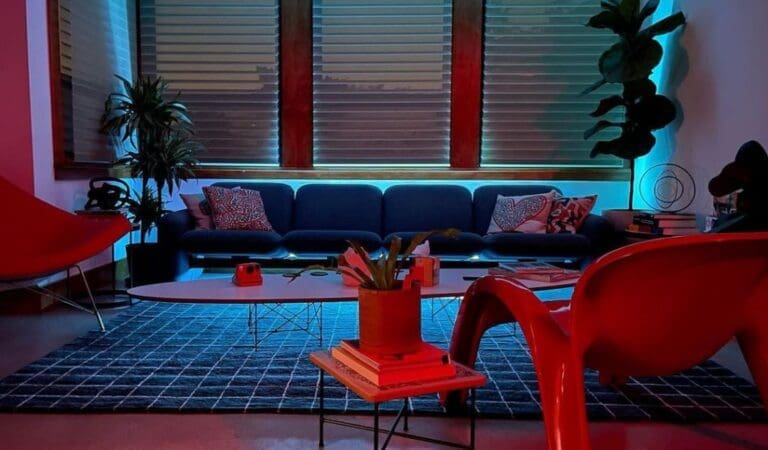
What is a lifestyle shoot?
A lifestyle shoot photographs or films a product as part of a life. The bag on a shoulder on a city street, the sneakers on a court, the skincare on a bathroom shelf at seven in the morning, the tote on a beach with sand in it. The product is present but the subject is the moment, and the goal is for the viewer to see themselves in the picture. It is the counterpart to the studio product shot, which shows the thing clearly, and it exists because people buy into a world before they buy an object.
Lifestyle shoots happen on location or on sets built to look like one. They are cast with care, because the people in the frame are the brand's audience made visible, and they are styled to feel unstyled, which is harder than it sounds.
Why it matters
Why lifestyle shoots matter
Context sells. A product on white tells the audience what it is; the same product in a scene tells them what it is for and who it is for, and that second message is the one that converts. For fashion, beauty and consumer brands, lifestyle imagery is the main language of campaigns, social feeds and product pages, because it is the language of aspiration.
It also builds a library. A well-planned lifestyle shoot produces dozens of usable moments from one day, which feed social, e-commerce, advertising and press for a season. The cost per image is low precisely because the day was planned to cover many needs.
In practice
How a lifestyle shoot works in practice
- 01
Pre-production decides most of it. The creative director sets the world: the location, the light, the casting brief, the wardrobe and the list of moments the day must capture. The producer books the location and the permits, casts the talent, hires the crew and schedules the day around the light, because lifestyle work shot in natural light has a window that does not negotiate.
- 02
On the day the director keeps the scene moving while the photographer and the cinematographer capture it, often simultaneously so that stills and motion come from the same moment. The shot list is a guide rather than a script; the best frames are usually the ones between the planned ones. Post is light-touch: a grade that keeps the feeling natural, retouching that removes distractions without polishing away the life.
At RIOT
Lifestyle shoots at RIOT
Real Life, Worry Free, our CTV spot for Bogg Bags, is lifestyle work by name and by nature: the bag in the places it is actually used, with the mess and the movement of a real day. Our product films for Nutrafol x Sephora and our campaigns for Coach live in the same territory, where the product is seen in a life rather than on a plinth.
Watch out
What people get wrong about lifestyle shoots
Over-styling. A lifestyle image where every cushion is placed and every hair is set reads as a catalog, and audiences have learned to scroll past it. The best lifestyle work has a little chaos in it. The other mistake is forgetting the product. A beautiful scene where the bag is a blur in the corner is a nice photograph and a failed asset; the product has to be legible even when it is not the subject.