What is effective team collaboration?
Effective team collaboration is what a team does between the meetings. It is the strategist's notes reaching the editor without a relay, the designer seeing the shoot schedule without asking, the client's feedback arriving in one place and one voice. It covers the tools, the habits and the culture that let people work on the same thing at the same time without stepping on each other. In a creative team it has one extra demand: the work is subjective, so collaboration includes disagreeing well.
The term is often used to sell software. Software helps; it is not the thing. Collaboration is a set of behaviors that tools can make easier or harder.
Why it matters
Why effective team collaboration matters
Creative work is made by groups. A film passes through a strategist, a director, a producer, a crew, an editor, a colorist, a sound mixer and a client, and the quality of the result depends on how well the thing in each person's head matches the thing in everyone else's. Poor collaboration shows up as rework: the edit that has to be recut because the brief was not shared, the design that does not fit the build. Good collaboration shows up as speed and as work that feels like one idea.
It also keeps people. Teams that collaborate well are teams people want to stay on.
In practice
How effective team collaboration works in practice
- 01
Effective collaboration is built on a few mechanics. One shared source of truth for the plan, the files and the feedback, so nobody is working from an old version. Clear ownership: every task has an assignee, every decision has a decider. A rhythm of short check-ins rather than long meetings, with the people who need to be there and no one else. Feedback given against the brief, in writing, where the work lives, so it is specific and it stays.
- 02
The rest is culture. People share early, when the work is rough, because the team has learned that early notes are cheap. Disagreements are about the work, settled by the lead, and then done. Credit is shared. And the tools are chosen so that collaboration is the path of least resistance: it should be easier to put the note in the tool than to send the email.
At RIOT
Effective team collaboration at RIOT
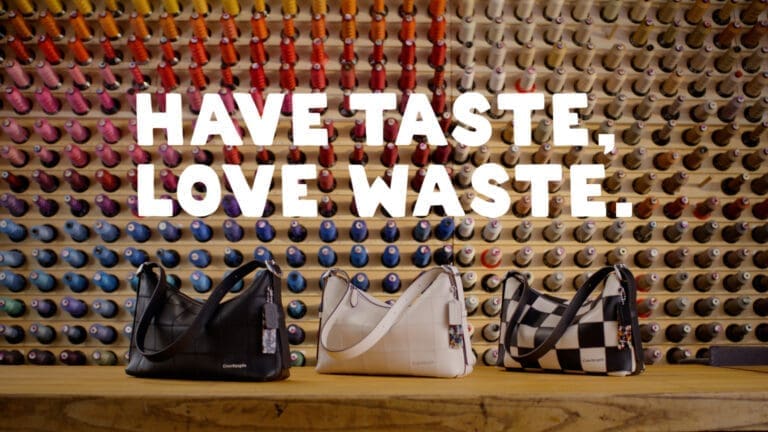
We are a creative agency and production studio, which means the collaboration is in one room: strategy, creative, design and production, with the person who wrote the brief on set and the creative director in the edit. More than a decade with Coach runs on that, across campaigns, sizzle reels and holiday films, because a long relationship is a collaboration that has been tested enough times for everyone to trust it.
Watch out
What people get wrong about effective team collaboration
Equating collaboration with consensus. A team where everyone must agree produces the average of everyone's idea, and the average is forgettable. Good collaboration has a lead who decides. The other mistake is adding channels. A team on email, two chat apps, a project board and a review platform is not collaborating more; it is losing things in more places. One home for the work, one for conversation, and a rule about which is which.