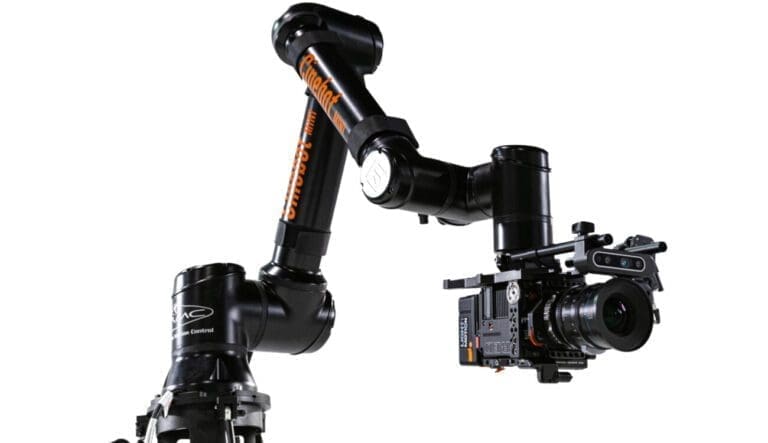
What is automation?
Automation is handing the boring parts to a machine. In marketing that means email sequences that send themselves, ads that assemble their own variations, reports that build overnight, social posts scheduled weeks ahead and workflows that move a job from one stage to the next without anyone chasing it. In production it means render queues, transcoding, naming conventions enforced by script, and the thousand small file-handling chores that used to eat an assistant's afternoon.
The point is not to replace people. It is to stop paying skilled people to do unskilled things, so the time goes back into the work only they can do.
Why it matters
Why automation matters
Agencies sell time and judgment, and most of the time gets lost to friction: chasing approvals, resizing assets, copying data between tools, rebuilding the same deck. Every hour of that is an hour not spent on the idea. Automation gives those hours back, and it does it consistently, at three in the morning, without a typo.
It also changes what is possible. A campaign that needs two hundred ad variations, each cut to a different audience, is not a job a human team can do by hand on a normal budget. With the right system it is a Tuesday. That is the difference between a brand that tests ideas and a brand that guesses.
In practice
How automation works in practice
- 01
It begins by finding the repetition. Anything done the same way more than a few times a week is a candidate: onboarding a new project, exporting deliverables in every aspect ratio, sending the status update, tagging footage. The team maps the steps, decides which need a human decision and which do not, and builds a tool or configures one to handle the rest.
- 02
Then it is maintained like anything else. Automations break when a platform changes an API or a template drifts, so someone owns them. The good setups are visible, documented and easy to switch off, which keeps them from becoming the mysterious machine nobody dares to touch.
At RIOT
Automation at RIOT
We build the tools we wish existed. Krova, our production software, is one of them. The Meta ad engine we built and ran for Homebase from February to April 2025 was another: a system for producing, versioning and refreshing ad creative at a pace no hand-built process could match. The craft stays human; the plumbing does not have to be.
Watch out
What people get wrong about automation
Automating the wrong thing. If a process is bad, automating it just makes it bad faster, and the first job is usually to fix the workflow, not to script it. The other mistake is letting automation touch the parts that need taste. A caption generator and a scheduling tool are helpful; a campaign nobody wrote is just noise delivered efficiently.
The third mistake is buying a platform before finding the problem. Agencies collect tools the way kitchens collect gadgets, and a stack of half-configured software costs more time than the manual process it was meant to replace.