
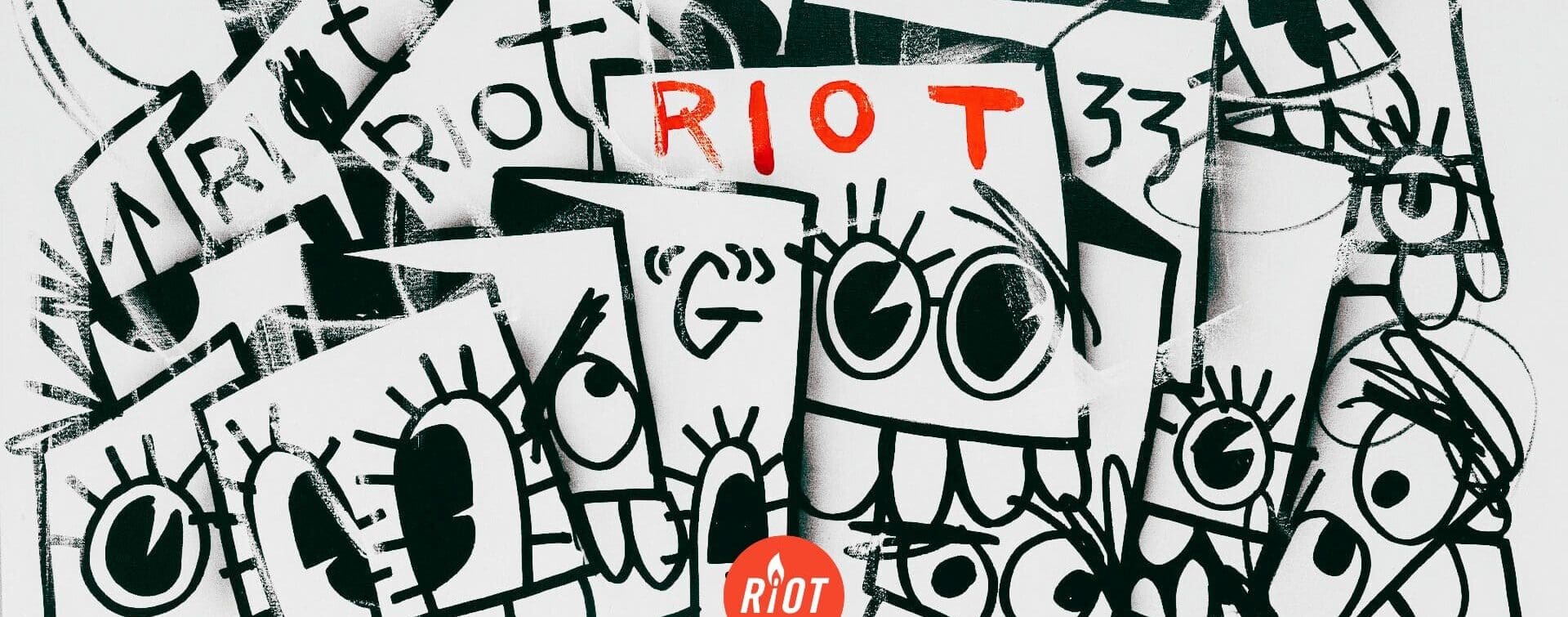
Environmental Graphics
DesignFunction meets form—design shapes how brands look, feel, and connect through everything from logos to layouts. that shapes physical space—wall murals, signage, and branded environments that turn locations into experiences. Environmental graphics integrate design into physical spaces—used in retail, offices, and eventsLive or virtual brand moments—designed to connect, engage, and create real-time cultural relevance..
What Are Environmental Graphics?
Environmental graphics are visual designGraphic design is the art and practice of combining text, images, and other elements to create visually compelling and communicative designs. It is used to convey ideas, enhance messaging, and build brand identity across various platforms. elements integrated into physical spaces to communicate identity, information, and narrative. This includes signage, wayfinding systems, murals, exhibition graphics, architectural brandingMore than a logo—branding is the full experience of a company, shaping visuals, messaging, and emotional connections with consumers., experiential installationsPhysical brand expressions in real space—sculptures, pop-ups, or art that create immersive moments., and spatial storytelling that help people orient, understand, and connect emotionally with a place.
Example: Branded Wayfinding & StorytellingEmotion meets impact—storytelling is the heartbeat of branding, using narrative to connect with audiences and drive action. in a Cultural Space
At a contemporary art museum, the environmental graphics system transforms the visitor experience. Instead of standard directional signage, the design team embeds bold typographic murals, color-coded pathways, and narrative wall graphics that reflect the spirit of each gallery.
Features include:
-
Entrance Portal Graphic: A large, abstract mural introducing the museum’s season theme — “Echoes of Influence” — setting emotional tone before guests even step inside.
-
Color-Coded Paths: Each exhibit zone is assigned a color paletteThe visual voice—color schemes define the mood, style, and identity of a brand, anchoring everything from design to motion. integrated into floor trails, columns, and ceiling markers, helping visitors intuitively navigate.
-
Interactive Space Labels: Large, tactile wall graphics with embedded QR codes linking to audio guides and artist stories.
-
Moment Markers: Feature walls with oversized quotes from artists that punctuate transitions between galleries and invite reflection.
Instead of “just signs,” the space feels curated. Visitors don’t just move through the museum — they are guided, informed, and immersed.
This is environmental graphics that elevate place and purpose, not just point to exits.
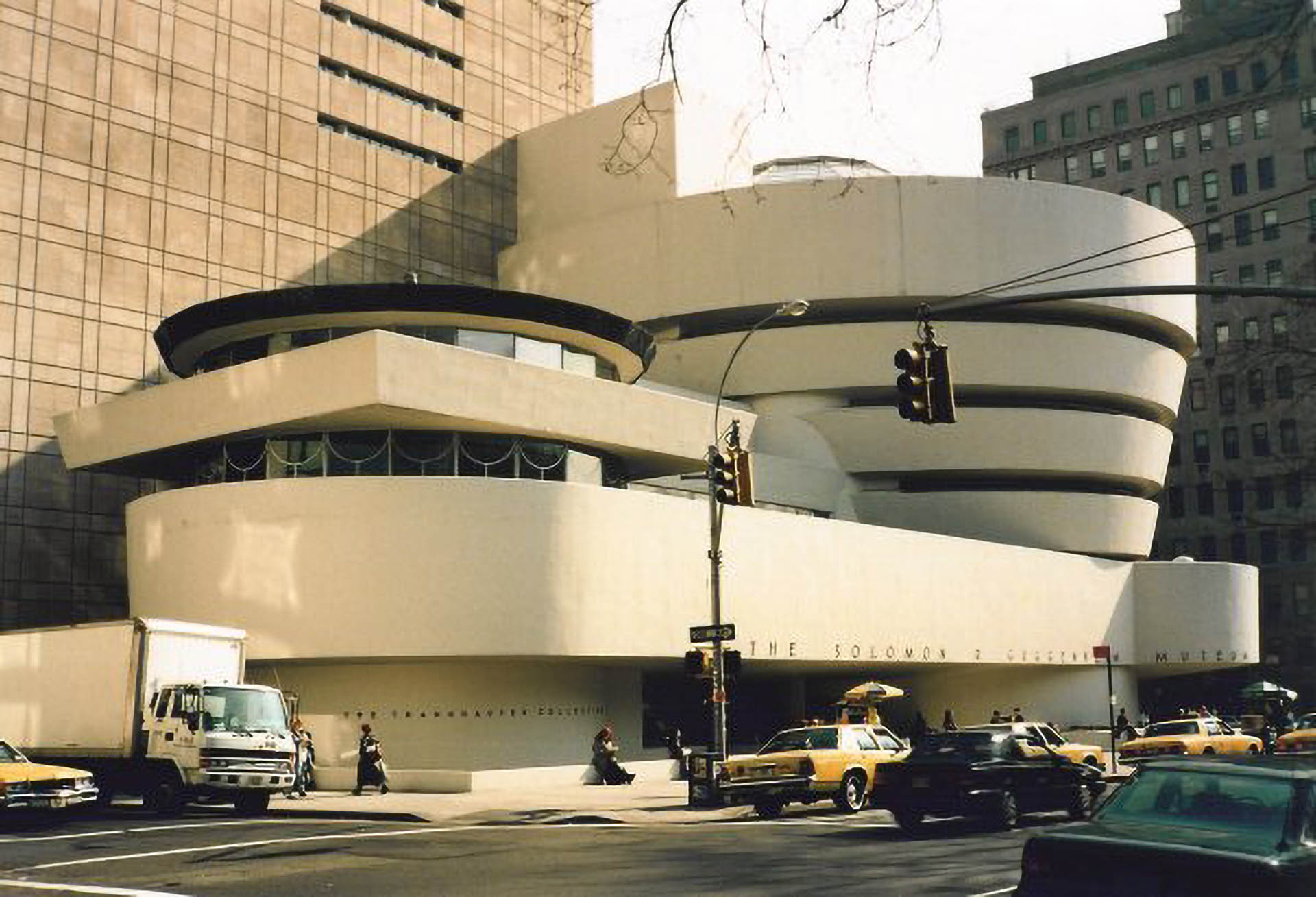
The Solomon R. Guggenheim Museum in New York City, designed by Frank Lloyd Wright and completed in 1959. This iconic building is a landmark of modern architecture, captured here in a 1995 photograph. Image Source: Wikimedia Commons.
Dive Deeper
Retail DesignBringing brands to life in physical stores—merges visual storytelling with spatial experience., Spatial BrandingBrand identity brought into physical space—through signage, lighting, layout, and experience design., Set DesignCreating the visual world for shoots or events—where storytelling meets space and mood., BrandMore than a logo—brand is the essence of a company, shaping identity, reputation, and customer perception. Experience, Visual StorytellingThe oldest art form, reimagined for the screen. It’s how motion, color, and light combine to speak emotion without words. It’s not about showing—it’s about feeling.